
Understanding your company’s profitability is essential for long-term growth, strategic planning, investor confidence, and financial stability. Among all financial metrics, the net profit margin formula stands out as one of the most reliable indicators of how efficiently a business converts revenue into actual profit. Whether you run a small startup or a large enterprise, mastering this formula is crucial for making data-driven decisions.
This comprehensive guide dives deep into what the net profit margin is, how to use the net profit margin formula, why it matters, and strategies to improve it. Designed for beginners and professionals alike, this article offers clear explanations, examples, and actionable steps.
Table of Contents
- What Is Net Profit Margin?
- Why the Net Profit Margin Formula Matters
- The Net Profit Margin Formula Explained
- Step-By-Step Example Calculation
- Net Profit Margin vs. Gross & Operating Margins
What Is Net Profit Margin?
Net profit margin represents the percentage of revenue left after all expenses—operational, administrative, taxes, interest, and more—are deducted. It shows the actual profitability of the business.
In simple terms:
Net profit margin tells you how much profit your business makes for every dollar of revenue.
Companies monitor this metric routinely because it:
- Measures true profitability
- Helps compare performance over time
- Supports investor decisions
- Highlights areas needing cost control
The net profit margin formula is widely used in financial statements, annual reports, pitch decks, and business evaluations.
Why the Net Profit Margin Formula Matters
The net profit margin formula plays a critical role in business analysis. It answers questions like:
- Is the business financially healthy?
- Are expenses growing faster than revenue?
- How does your business compare to competitors?
- Is your pricing strategy effective?
Investors often use net profit margin to:
- Evaluate financial stability
- Measure operational efficiency
- Determine potential returns
A strong margin indicates that the company is managing costs effectively and generating healthy profits. A weak margin, however, can signal financial trouble—even with high revenue.
The Net Profit Margin Formula Explained
Here is the standard net profit margin formula:
Net Profit Margin = (Net Profit ÷ Total Revenue) × 100
Where:
- Net Profit = Total Revenue − Total Expenses
- Total Revenue = All sales and income generated
Using the net profit margin formula helps convert complicated financial data into a clear percentage that reflects real profitability.
Example Breakdown
- Revenue includes product sales, service income, and any other business earnings.
- Expenses include salaries, rent, utilities, taxes, interest, supplies, depreciation, and marketing.
The keyword net profit margin formula is easy to apply as long as you have these two variables: net profit and revenue.
Step-By-Step Example Calculation
Let’s walk through an example using realistic numbers.
Scenario
A company generates:
- Total Revenue: $500,000
- Total Expenses: $350,000
Calculate Net Profit
Net Profit = Revenue − Expenses
Net Profit = $500,000 − $350,000 = $150,000
Apply the Net Profit Margin Formula
Net Profit Margin = (Net Profit ÷ Revenue) × 100
Net Profit Margin = (150,000 ÷ 500,000) × 100 = 30%
Result
The company has a 30% net profit margin, meaning it keeps $0.30 profit for every dollar earned.
Understanding and applying the net profit margin formula in this way helps businesses assess financial performance accurately.
Net Profit Margin vs. Gross & Operating Margins
Many people confuse profitability ratios. Here’s a quick comparison:
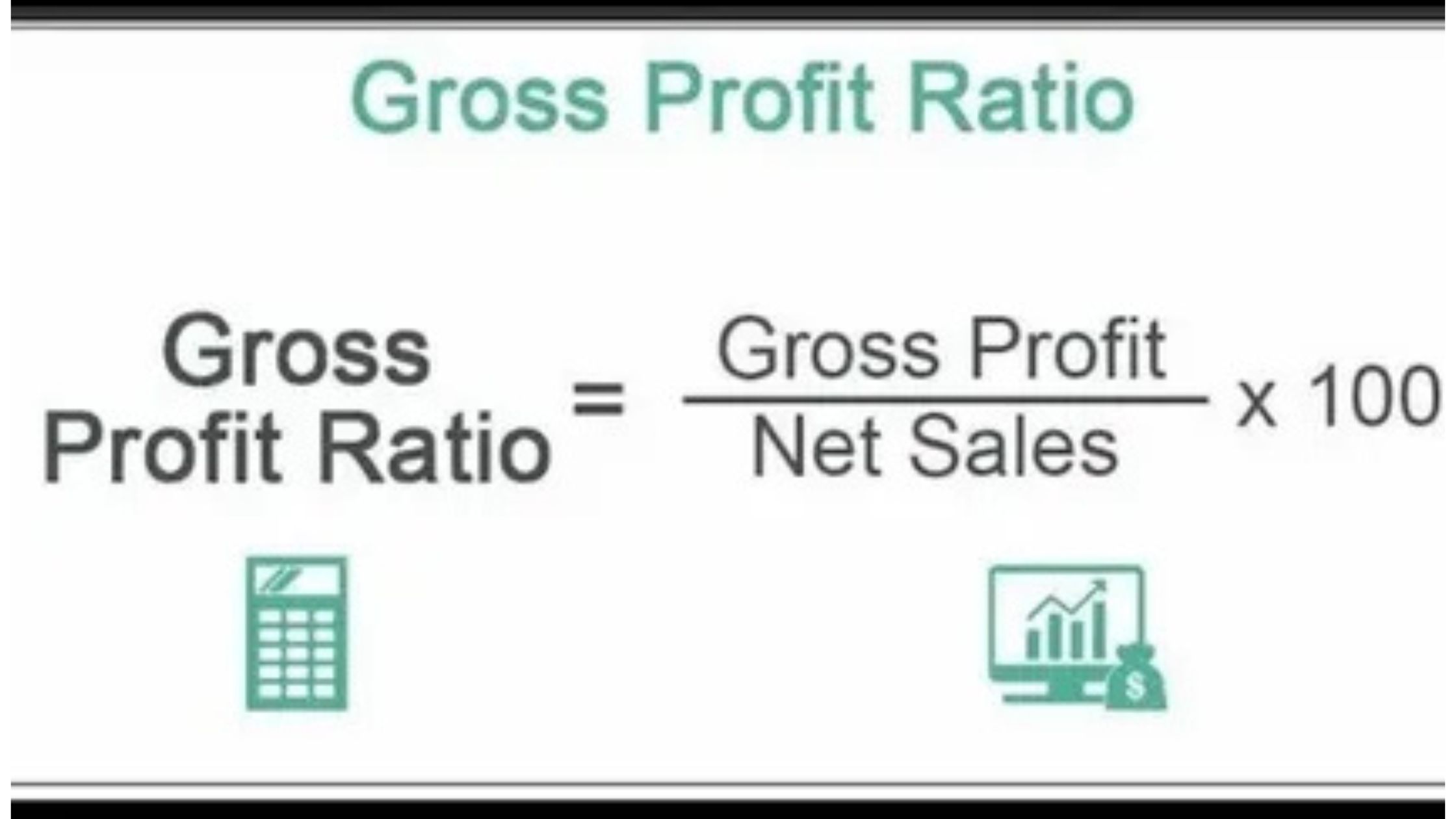
Gross Profit Margin
Measures profit after deducting cost of goods sold (COGS) only.
Operating Profit Margin
Shows profit after COGS plus operating expenses, but before taxes and interest.
Net Profit Margin
Includes all expenses, making it the most complete measure.
The net profit margin formula gives the broadest and most accurate indicator of financial health.
What Is a Good Net Profit Margin?
A “good” margin depends on:
- Industry
- Business model
- Market competition
- Cost structure
However, general profitability guidelines are:
| Net Profit Margin | Meaning |
|---|---|
| 5% | Low |
| 10% | Average |
| 20%+ | High/Strong |
Service-based businesses often have higher margins than retail or manufacturing.
Still, apply the net profit margin formula consistently to measure performance over time rather than comparing unrelated industries.
Factors That Influence Net Profit Margin
Several internal and external factors affect your final margin:
Internal Factors
- Poor cost control
- Inefficient operations
- Pricing strategy
- Employee productivity
- Marketing ROI
- Inventory management
External Factors
- Market conditions
- Economic environment
- Supplier price increases
- Tax regulations
- Competition
Monitoring the net profit margin formula helps identify whether these factors are improving or hurting profitability.
Common Mistakes When Calculating Net Profit Margin
Businesses often miscalculate by:
Misclassifying expenses
Some companies exclude expenses that should be counted.
Using gross profit instead of net profit
Gross profit does not reflect true profitability.
Ignoring one-time costs
Large, irregular expenses can distort the margin.
Failing to update financial records
Outdated data leads to inaccurate results.
Using the net profit margin formula correctly ensures your financial analysis is reliable and consistent
How to Improve Net Profit Margin
Improving your net profit margin requires strategic adjustments. Below are proven methods:
1. Increase Prices Strategically
Evaluate whether your product or service is underpriced.
2. Reduce Unnecessary Costs
Perform quarterly expense audits.
3. Optimize Operational Efficiency
Automate processes, improve training, and modernize systems.
4. Improve Inventory Management
Avoid overstocking or running out of products.
5. Expand High-Margin Products
Prioritize items that deliver stronger profitability.
6. Negotiate With Suppliers
Lower your cost of goods wherever possible.
7. Strengthen Marketing ROI
Invest in campaigns that generate measurable revenue.
8. Control Overhead Expenses
Rent, utilities, and administrative costs should be monitored regularly.
When used properly, the net profit margin formula helps businesses track improvements over time.
Industry Benchmarks & Comparisons
Here are average net profit margins by industry:
| Industry | Average Net Profit Margin |
|---|---|
| Retail | 2–5% |
| Restaurants | 3–8% |
| Manufacturing | 5–10% |
| Software | 15–25% |
| Consulting | 20–40% |
Use the net profit margin formula to compare your performance with industry norms. Benchmarks help highlight areas for improvement or indicate strong performance.
Tools to Calculate Net Profit Margin Automatically
Instead of calculating manually, you can use:
- QuickBooks
- FreshBooks
- Xero
- Zoho Books
- Google Sheets & Excel templates
- Online net profit margin calculators
All these tools apply the net profit margin formula automatically, saving time and reducing human error.
Conclusion
The net profit margin formula is one of the most important financial tools for understanding your business’s profitability. By calculating this percentage regularly, you gain valuable insights into cost efficiency, pricing strength, and overall financial performance. Businesses that monitor and optimize their net profit margin are much more likely to achieve long-term success.
Whether you’re a small business owner or a financial analyst, mastering this formula empowers you to make smarter decisions, attract investors, and improve your bottom line.
FAQs
What is the net profit margin formula?
The net profit margin formula is:
(Net Profit ÷ Revenue) × 100
Why is net profit margin important?
It shows true profitability after all expenses are deducted.
How often should I calculate net profit margin?
Monthly, quarterly, and annually for best results.
What affects net profit margin?
Expenses, pricing, market conditions, taxes, and operational efficiency.
Can a business survive with a low net profit margin?
Yes, but it may struggle to grow or withstand economic downturns.



Leave a comment