
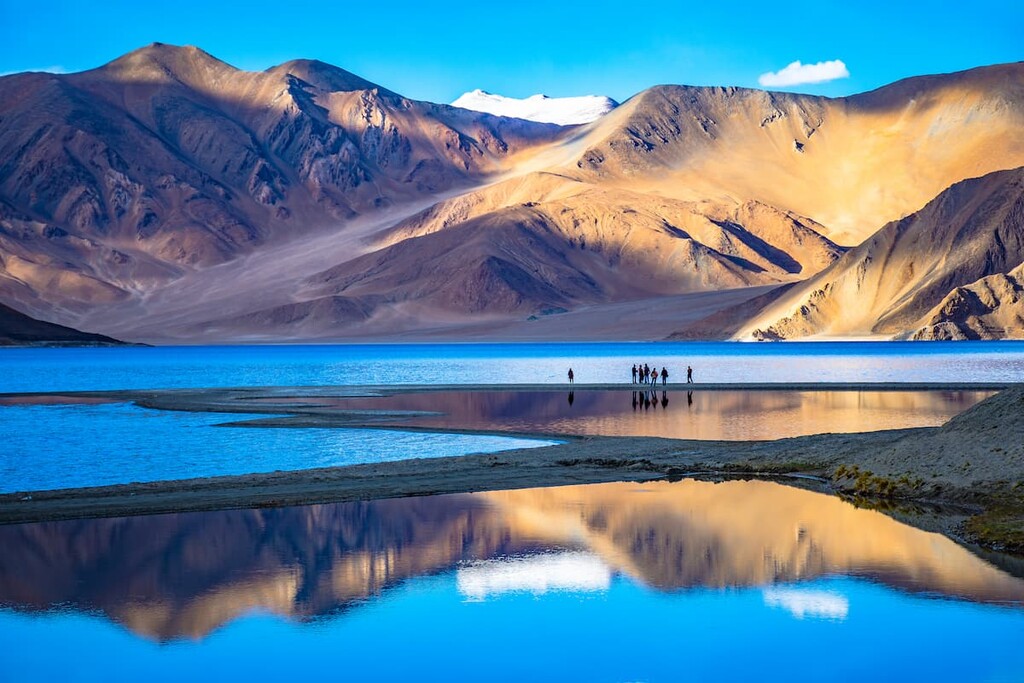
With its rugged mountains, pristine lakes, ancient monasteries, and unique culture, Ladakh Tourism offers an unforgettable experience. Ladakh, often referred to as the “Land of High Passes,” is one of India’s most spectacular travel destinations. Nestled in the northernmost region of Jammu & Kashmir, Ladakh is a paradise for adventure seekers, spiritual travelers, and nature lovers.
This guide explores the richness of Ladakh’s tourism, highlighting destinations, cultural experiences, adventure opportunities, and practical travel tips.
Why Choose Ladakh?
- Scenic Beauty: Snow‑clad peaks, turquoise lakes, and barren landscapes.
- Adventure Opportunities: Trekking, biking, river rafting, and mountaineering.
- Spiritual Depth: Buddhist monasteries, meditation retreats, and cultural festivals.
- Unique Culture: Blend of Tibetan and Indian traditions.
- Accessibility: Connected by road and air, with Leh as the main hub.
Top Tourist Destinations in Ladakh
1. Leh
- Highlights: Leh Palace, Shanti Stupa, bustling bazaars.
- Experience: Gateway to Ladakh, offering cultural immersion and panoramic views.
2. Pangong Lake
- Highlights: Famous for its changing colors, stretching across India and Tibet.
- Experience: Camping by the lake, photography, and stargazing.
3. Nubra Valley
- Highlights: Sand dunes, double‑humped camels, Diskit Monastery.
- Experience: Blend of desert landscapes and Himalayan beauty.
4. Magnetic Hill
- Highlights: Optical illusion where vehicles appear to defy gravity.
- Experience: Unique natural phenomenon near Leh.
5. Zanskar Valley
- Highlights: Remote valley with trekking routes and frozen river expeditions.
- Experience: Adventure paradise for trekkers and rafters.
6. Tso Moriri Lake
- Highlights: High‑altitude lake surrounded by mountains.
- Experience: Birdwatching, camping, and serene landscapes.
7. Monasteries of Ladakh
- Highlights: Hemis, Thiksey, Alchi, Lamayuru.
- Experience: Spiritual retreats, Buddhist art, and cultural festivals.
Adventure Tourism in Ladakh
Trekking
- Routes: Markha Valley, Stok Kangri, Chadar Trek.
- Experience: High‑altitude treks offering breathtaking views.
Biking
- Routes: Manali to Leh, Srinagar to Leh.
- Experience: Thrilling rides across mountain passes like Khardung La.
River Rafting
- Rivers: Indus and Zanskar.
- Experience: White‑water rafting amidst stunning landscapes.
Mountaineering
- Peaks: Stok Kangri, Nun Kun.
- Experience: Challenging climbs for seasoned adventurers.
Cultural Tourism in Ladakh
Festivals
- Hemis Festival: Celebrated at Hemis Monastery with mask dances.
- Losar Festival: Tibetan New Year with cultural performances.
- Sindhu Darshan Festival: Celebrates the Indus River’s significance.
Cuisine
- Highlights: Thukpa, momos, butter tea, skyu.
- Experience: Taste authentic Ladakhi flavors.
Arts & Crafts
- Highlights: Thangka paintings, wood carvings, hand‑woven carpets.
- Experience: Shop for souvenirs in Leh’s markets.
Spiritual Tourism in Ladakh
- Hemis Monastery: Largest monastery in Ladakh, known for its annual festival.
- Thiksey Monastery: Resembles Tibet’s Potala Palace, with a giant Maitreya Buddha statue.
- Alchi Monastery: Famous for ancient murals and Buddhist art.
- Lamayuru Monastery: Known as the “Moonland” for its unique landscape.
Sample 8‑Day Ladakh Tourism Itinerary
Day 1 – Leh: Arrival, acclimatization, visit Shanti Stupa and Leh Palace.
Day 2 – Leh Local Tour: Explore monasteries like Hemis and Thiksey.
Day 3 – Nubra Valley: Drive via Khardung La, visit Diskit Monastery and sand dunes.
Day 4 – Nubra Valley to Pangong Lake: Scenic drive, overnight camping.
Day 5 – Pangong Lake to Leh: Return journey with stops at monasteries.
Day 6 – Tso Moriri Lake: Visit high‑altitude lake and surrounding villages.
Day 7 – Zanskar Valley: Trekking or rafting adventure.
Day 8 – Departure: Shopping in Leh, return flight.
Best Time to Visit Ladakh
- Summer (May–September): Ideal for sightseeing and adventure activities.
- Winter (November–February): Extreme cold, but perfect for Chadar Trek.
- Autumn (September–October): Clear skies, fewer crowds.
Travel Tips
- Acclimatization: Spend at least 24 hours in Leh before heading to higher altitudes.
- Permits: Required for Nubra Valley, Pangong Lake, and other restricted areas.
- Packing: Warm clothes, sunscreen, trekking gear, and medicines for altitude sickness.
- Transport: Local taxis, bikes, and buses available.
- Eco‑Friendly Travel: Avoid plastic, respect local customs, and support village tourism.
SEO‑Friendly Highlights
- Focus keyword Ladakh Tourism is naturally integrated throughout.
- Modular sections allow easy adaptation for blogs, brochures, and landing pages.
- Clear headings improve readability and search engine discoverability.
Conclusion
Ladakh is more than just a destination—it’s an experience that combines adventure, spirituality, and natural beauty. From the turquoise waters of Pangong Lake to the rugged trails of Zanskar, from the vibrant festivals at Hemis Monastery to the thrill of biking across Khardung La, Ladakh Tourism promises memories that last a lifetime.
By choosing the right itinerary, travelers can immerse themselves in Ladakh’s unique culture, breathtaking landscapes, and spiritual depth. Truly, Ladakh is not just a place to visit—it’s a journey to be lived.
Leave a comment