
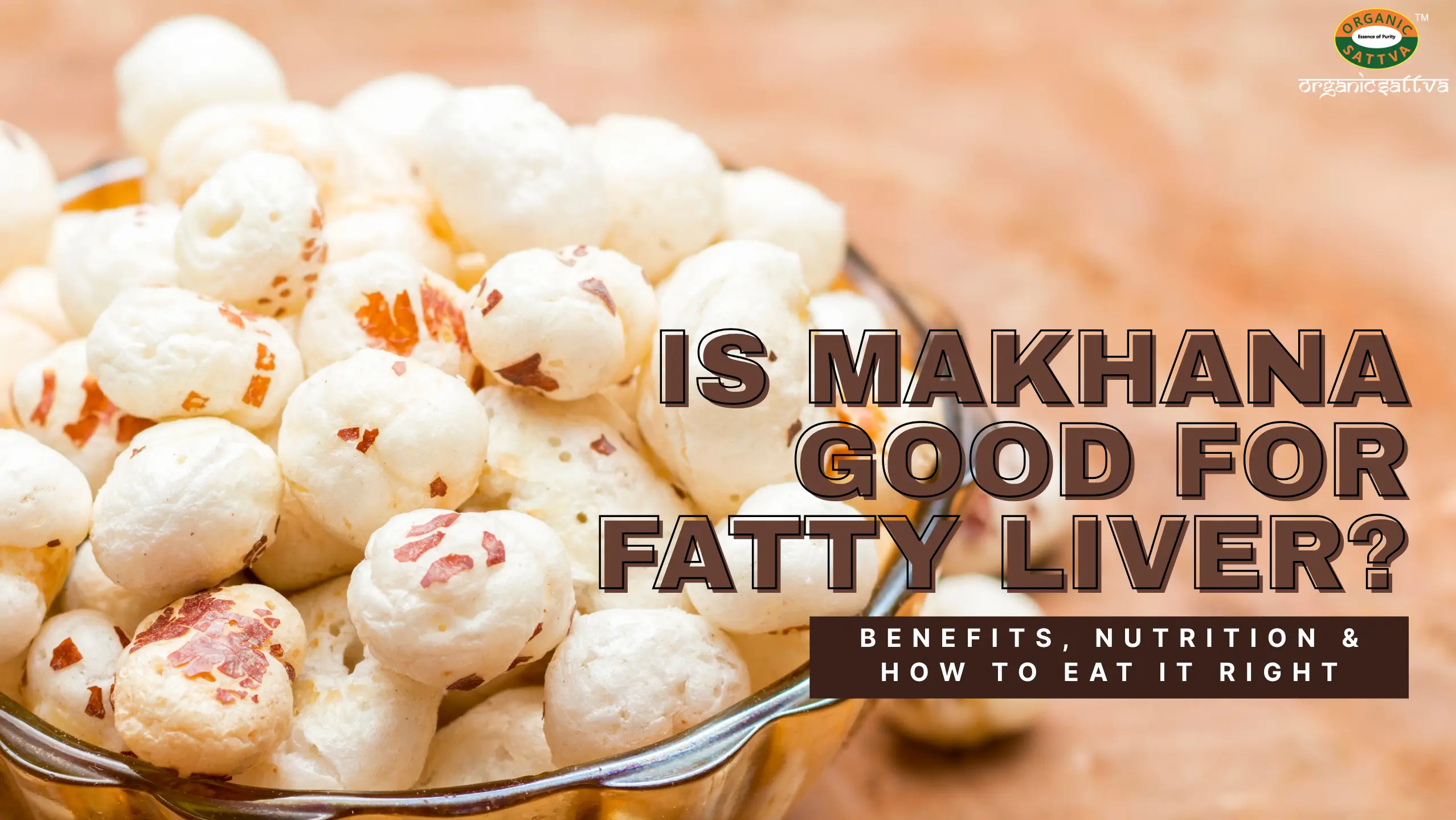
If you are suffering from fatty liver or are just looking for ways to improve your liver health, you might have been unaware of makhana nutrition. A simple lotus seed that has been liked not only in healthy eating but also in the lives of people who want to take its advantages.
But the question is, is makhana really as helpful for fatty liver as it is claimed to be? Or is it just another hype added to the list of “superfoods”? This post aims to discuss the matter of “Is makhana good for fatty liver?”, its pros, nutritional value, and ways to consume it.
What Is Makhana?
The superfood from ages, Makhana, is known by the name “lotus seeds”. It has been a part of Indian cooking, whether for kheer, being roasted, or eaten as a fasting food. It has become a healthy snack food option besides chips and junk foods.
The unique blend of low-fat, high-fiber, and high-protein has made Makhana a super food and has also ranked it among the top Indian low-fat snacks that are perfectly safe for liver patients, people with high cholesterol, and those on weight management programs.
Is Makhana Good for Fatty Liver?
“Is makhana good for fatty liver?” Yes, it is. Makhana is good for liver issues when taken in proper amounts and the right way. Fatty liver or hepatic steatosis, in medical terms, refers to a condition where the liver cells’ fat content surpasses the normal limit. At some point in time, this condition might end up with liver inflammation or fibrosis.
Circle this one: a proper diet can push back the effects of the early-stage fatty liver condition, and the incorporation of makhana into the diet can be an incredibly wise choice.
Let’s dive into the reasons:
1) Low in Fat and Calories:
Makhana is one of the few crunchy snacks and foods good for fatty liver, specially prepared with fat and calories at a very low level, thus making it a healthy choice. Your liver is going to be happy as it will not have to deal with fats that are unneeded; this is something your liver would appreciate. Roasting allows it to be easy, crispy, and perfect for snacking rather than frying, which would not upset your liver with artificial fats.
2) Rich in Antioxidants:
Makhana has antioxidants, which provide the body with natural nutrients like flavonoids and kaempferol. These nutrients help the liver function in the digestive process. It also acts as a protector for the cause of liver inflammation and avoids the risk of it.
3) Cholesterol Control is aided by Makhana:
Makhana’s consumption leads to an upsurge in lipid metabolism. The mineral content of magnesium and low sodium likely contributes to the control of cholesterol; this is a huge concern for people with fatty liver. Doctors even recommend Makhana for cholesterol control owing to its nutrient-rich composition.
4) Fiber:
Another important nutrient for your body is a good amount of fiber. Whether we talk about gut health or a lean body, dietary fiber is important. The liver is associated with the digestive system, so makhana indirectly supports liver health.
5) Animal-free Protein:
Makhana is a source of plant-based protein that aids in the rebuilding of body tissues, liver. For those who do not take animal fats at all, this is a very nourishing alternative.
6) Liver-supporting Minerals:
With the benefits to the end, it’s obvious that now you don’t have to think of “is makhana good for fatty liver or not?”. Makhana can provide your body with the necessary minerals of magnesium, phosphorus, and calcium in a natural form. It helps in detoxification and improves metabolic health.
Makhana Nutrition Chart (Per 100g)
| Nutrients | Amount | Benefits for Liver Health |
| Calories | ~347 kcal | Provides clean energy without fat overload |
| Protein | ~9.7 g | Helps repair liver cells |
| Fat | ~0.1–0.6 g | Low-fat content supports liver recovery |
| Carbohydrates | ~76.9 g | Complex carbs, slow release of energy |
| Dietary Fiber | ~14.5 g | Aids digestion and detoxification |
| Calcium | ~60 mg | Supports metabolism and bone health |
| Iron | ~1.4 mg | Aids oxygen transport to liver cells |
| Magnesium | ~67 mg | Helps regulate liver enzyme activity |
| Potassium | ~500 mg | Balances sodium and reduces fluid retention |
How to Consume Makhana for Fatty Liver
The correct way of eating makhana is the main secret not only to intake the required makhana nutrition but also to its inclusion in the fatty liver diet as a liver-friendly food. The following are ways you can consume it:
Roasted, Not Deep-Fried:
People often confuse roasting with deep frying. Makhana needs to be roasted and not deep-fried. Don’t purchase the one with deep-fried, salted, cheesed, or highly spiced, as it will only look good for your taste buds, but not your body. You can roast however you like, and if needed, can add seasonings as per the taste.
Regulate the Quantity:
Makhana is one of the most nutritious foods, but if consumed in huge amounts, it will still contribute to the calorie surplus. Eating a handful (or so 25 to 30 grams) is more than enough for a snack.
Add Natural Tastes:
Always opt for natural spices instead of their processed counterparts. Among the best seasoning choices are black pepper, turmeric, roasted cumin, and just a tiny pinch of pink salt. These spices are not only liver-friendly but also anti-inflammatory.
Closing Remarks
The liver is a very important organ in the human body, and among its various functions are detoxification, material processing, and energy storage. Supporting the liver with proper diets is the least one can do.
Hence, when you go to have something crunchy, do not take chips at all; on the contrary, take a bowl of roasted makhana. This is a tiny yet nice step for your liver, which could indeed be a small step making a huge difference in your overall health.
FAQs
1. Is makhana good for fatty liver, and can I eat it daily?
Yes, but it should be only a minor ingredient in an overall healthy diet; a daily intake of a small amount of roasted makhana should suffice. Besides, incorporating the above-mentioned foods along with fruits, vegetables, and whole grains will not only make your liver healthier but also improve your overall health.
2. Do roasted makhana offer more liver-friendly benefits as compared to their fried version?
Yes, definitely! Roasted makhana is almost fat-free, which means it does not contain any bad fat. Thus, it is one of the ideal low-fat Indian snacks for fatty liver patients. In contrast, fried makhana can add to the fat intake for the month.
3. Is it reasonable to say that makhana intake would lead to a drop in cholesterol levels?
To a certain degree, makhana, along with other factors, is a very good support in the control of cholesterol levels owing to its remarkable nutritional profile, very low saturated fat, and magnesium and fiber, which maintain the body’s normal lipid levels.



Leave a comment