
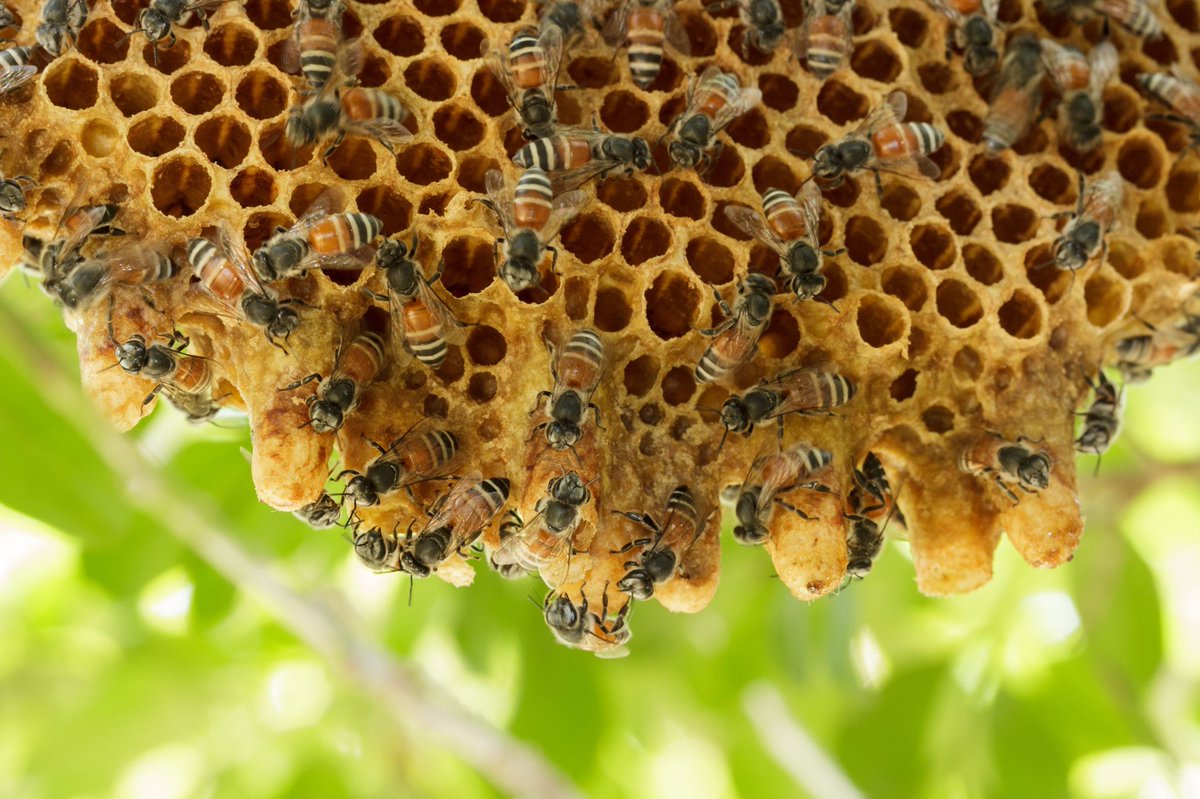
Homeowners often discover early signs of nesting activity when small bee clusters begin gathering quietly above exterior beams. Bees frequently prefer elevated structural spaces because these areas offer dependable shelter during unpredictable seasonal temperature fluctuations. Such spaces remain dry throughout variable weather patterns, creating ideal microenvironments where early nesting behaviors can develop safely and steadily. Many homeowners underestimate how quickly subtle nesting patterns transform into expansive colonies requiring immediate professional attention. These transitional phases progress gradually at first, yet accelerated development eventually becomes challenging to overlook as overall activity increases.
Because bees instinctively seek shaded structural cavities, roof overhangs provide ideal coverage during sensitive nesting processes. The sheltered nature of these architectural extensions protects growing colonies from predators that typically interfere with exposed outdoor hives. While homeowners often appreciate the ecological value bees provide, few anticipate the complications associated with established nesting situations occurring so close to living environments. Overhangs unintentionally create continuous vertical protection that bees instinctively trust when initiating early seasonal construction. This predictable behavior explains why preventive planning remains essential for households located in regions with steady pollinator populations.
Recognizing Structural Features
Many common residential design elements unintentionally promote nesting behavior because their architectural geometry naturally supports quiet colony development. Narrow gaps between beams, trim, and siding create enclosed pockets that bees perceive as protective interior chambers. These unsealed points offer stable temperature conditions throughout various seasonal transitions, providing reliable refuge for early nesting ventures. Homeowners rarely notice such vulnerabilities until bees begin actively inspecting these openings during high-activity months. Once initial nesting attempts begin, colonies often expand rapidly, complicating corrective actions considerably.
Proper identification of potential entry points forms the foundation of effective preventive planning because bees rely heavily on structural consistency. They prefer undisturbed cavities that maintain steady airflow without direct exposure to disruptive elements like wind or moisture. Many roof overhangs contain precisely these conditions, making them exceptionally attractive for recurring nesting cycles. Consequently, homeowners should examine soffit intersections, corner joints, and aging trim where microscopic cracks may signal future nesting threats. Even slight openings can encourage sustained exploration flights that strengthen long-term nesting potential around overlooked roof features.
Midway through the inspection process, homeowners may discover situations requiring professional guidance, especially when early colony formation appears. During such instances, the expertise of a reputable bee removal service in universal City, LA becomes invaluable, ensuring safe relocation while preventing additional nesting recurrence. Professional teams provide specialized support that protects both household safety and local ecological balance.
Implementing Preventive Strategies
An effective preventive approach requires consistent property maintenance designed to eliminate conditions that encourage unwanted nesting behaviors. Homeowners must address structural vulnerabilities methodically, prioritizing areas near overhangs where bees typically initiate early scouting activity. Because bees often revisit familiar sites annually, comprehensive sealing practices provide long-term protection that significantly reduces recurring nesting attempts under roof extensions. Thoroughly applying durable exterior-grade sealants helps eliminate narrow cavities that bees naturally interpret as the first stage of suitable nesting environments.
Another highly effective preventive measure involves modifying surrounding vegetation that directs pollinator movement toward vulnerable architectural components. Although homeowners value ornamental landscaping, dense foliage near overhangs frequently increases the likelihood of future nesting occurrences. Trimming flowering shrubs or relocating heavily scented plants away from rooflines reduces pollinator concentration around structural features susceptible to nesting behaviors. These thoughtful landscaping decisions support long-term mitigation strategies without disrupting essential ecological functions provided by local bee populations.
Furthermore, proper ventilation maintenance plays a critical role in discouraging nesting attempts because bees prefer temperature-stable environments. Ensuring that soffit vents remain unobstructed yet securely screened prevents bees from entering concealed cavities that support nesting growth. Routine inspections help confirm that protective screens remain intact despite potential damage caused by weather, aging materials, or wildlife interference. Proper ventilation also minimizes humidity accumulation within overhang systems, creating less desirable conditions for sustained nesting progress.
Strengthening Long-Term Exclusion
Once homeowners establish initial preventive routines, they should adopt additional exclusion techniques that fortify structural defenses against future nesting complications. Installing reinforced soffit panels or upgrading trim materials significantly reduces the likelihood of gaps forming through natural expansion and contraction. Bees rely heavily on stable structural environments during sensitive nesting phases, so strengthening these components deprives them of reliable construction zones typically preferred under roof extensions. Enhanced building materials therefore limit the opportunities bees commonly exploit during seasonal nesting cycles.
Upgrading caulking materials serves as another important exclusion measure because inferior products degrade quickly under varying environmental conditions. High-quality exterior sealants withstand prolonged exposure to heat, moisture, and UV radiation, ensuring vulnerable overhang areas remain impenetrable throughout multiple seasons. When these seals remain intact, bees encounter fewer accessible cavities that support the early development of prolonged nesting activities. Therefore, homeowners benefit from investing in long-lasting sealants that protect structural continuity around susceptible architectural features.
Because many nesting incidents originate from overlooked maintenance issues, scheduled annual inspections provide essential early detection advantages. Homeowners who perform regular evaluations significantly reduce the probability of widespread nesting developments that require immediate intervention. These inspections highlight minor shifts, aging connections, or emerging cracks that may otherwise evolve into expanded nesting entry points. Addressing these vulnerabilities early ensures long-term structural resilience and minimizes unexpected colony formation near roof extensions.
When Professional Help Matters
Despite rigorous preventive efforts, some properties continue experiencing recurring nesting attempts that require specialized professional support. Persistent bee activity often indicates deeper structural vulnerabilities that remain hidden during routine homeowner inspections. Professionals possess advanced tools that detect concealed entry points beneath complex architectural assemblies, enabling more accurate assessments of potential nesting zones. Their trained expertise ensures that underlying problems receive appropriate treatment before colonies intensify and spread throughout interconnected roof spaces.
Homeowners encountering aggressive nesting behaviors should prioritize safety, as disturbed colonies respond unpredictably when defending developing brood chambers. Professional teams understand colony dynamics and employ effective relocation techniques that protect both human occupants and bee populations. Their specialized procedures ensure safe hive transfer while preventing structural damage frequently associated with inexperienced removal attempts. Consequently, professional intervention becomes essential whenever nesting escalates beyond manageable levels or involves difficult-to-reach cavities.
Their comprehensive evaluations often reveal long-standing structural concerns that require targeted reinforcement to prevent additional nesting events. Professionals frequently recommend upgrading specific overhang components, sealing crucial air gaps, or adjusting ventilation systems to reduce temperature stability within concealed cavities. These technical insights empower homeowners to implement informed improvements that significantly reduce ongoing nesting risks. Their recommendations integrate structural science with ecological understanding, providing sustainable long-term protection.



Leave a comment