
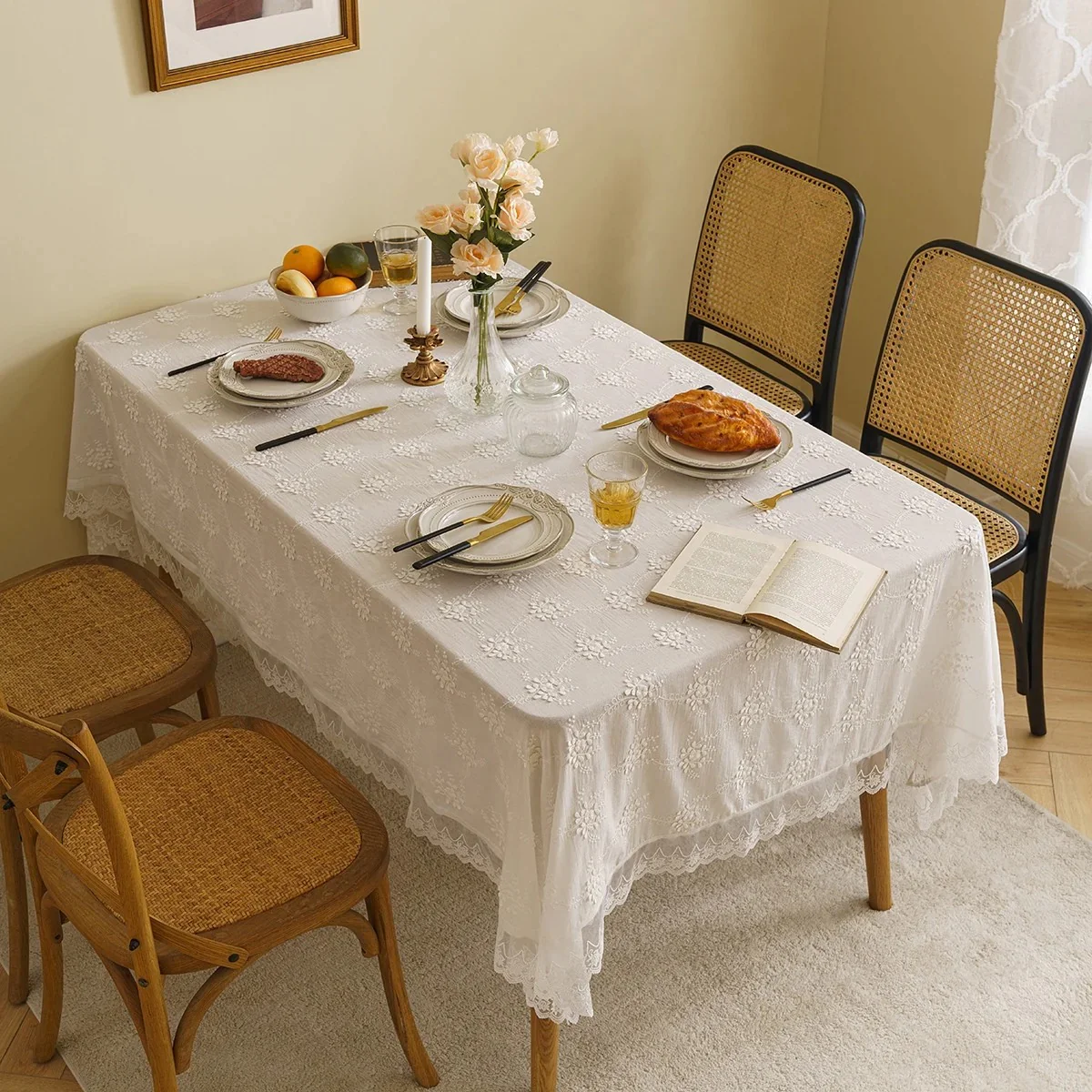
Materials Used in Table Linen
Table linen comes in a variety of materials, each selected based on the desired texture, durability, and overall aesthetic appeal. The choice of fabric plays a major role in the functionality, maintenance, and look of the final product. Here’s a closer look at the most common materials used in the production of table linens:
Cotton
- Properties: Soft, breathable, and absorbent, cotton is one of the most widely used fabrics for table linens. It is easy to clean and durable, making it suitable for everyday use.
- Applications: Cotton is commonly used for casual dining settings, restaurants, and homes. It is often chosen for its practicality and comfort.
Linen
- Properties: Linen is prized for its natural texture, high absorbency, and crisp appearance. It is often seen as a more luxurious fabric compared to cotton.
- Applications: Ideal for formal dining settings, special events, and upscale restaurants. Linen adds a sophisticated, elegant touch to any table.
Polyester
- Properties: Polyester is durable, wrinkle-resistant, and low-maintenance, making it a cost-effective alternative to natural fabrics like linen or cotton.
- Applications: Common in high-volume commercial settings and for budget-friendly dining solutions. Polyester’s durability makes it a favorite in catering and event management.
Blended Fabrics
- Properties: Blended fabrics combine the best of both natural and synthetic fibers to create a versatile material that is both durable and aesthetically pleasing.
- Applications: Popular in both commercial and residential markets, blends offer a balance of affordability, durability, and premium feel.
Industrial Process of Producing Table Linen
The production of table linen involves several stages, from sourcing raw materials to the finished product. Understanding the process helps highlight the intricate steps involved in turning fabric into the high-quality table linens we use daily.
1. Raw Material Sourcing
The first step involves sourcing quality raw materials. Cotton, linen, and synthetic fibers are sourced from suppliers, with an emphasis on obtaining high-quality materials for durability and aesthetic appeal.
2. Spinning and Weaving
Once the raw fibers are sourced, they are spun into yarns. The yarns are then woven into fabric using either traditional or modern weaving techniques, such as plain weave, twill, or satin weave. The weaving process dictates the texture and strength of the fabric.
3. Dyeing and Finishing
After weaving, the fabric is dyed using a variety of techniques like vat dyeing or piece dyeing. This stage also includes adding finishes such as softening, wrinkle resistance, and stain resistance. Special finishes can be added depending on the intended use of the table linen.
4. Cutting and Sewing
The fabric is cut to the required size and sewn into finished table linen products, such as tablecloths, napkins, placemats, and runners. Precise measurements and quality stitching ensure that the final product meets the desired specifications.
5. Quality Control and Packaging
The final products undergo quality control checks to ensure they meet the necessary standards. The table linens are then carefully folded, packaged, and prepared for distribution.
Colors and Designs in Table Linen
The color and design of table linen play a significant role in how the product is perceived in the market. Manufacturers consider current trends, consumer preferences, and the type of setting in which the linens will be used. Here’s an overview of how colors and designs are integrated into table linen:
Color Trends
- Neutral Colors: Whites, creams, and grays are timeless and often used for formal or traditional events.
- Vibrant Hues: Bold colors such as red, gold, and blue are popular for festive occasions and special events.
- Custom Colors: Some manufacturers offer custom color options to suit specific branding needs, particularly for hospitality businesses.
Designs and Patterns
- Solid Colors: These are ideal for formal occasions or for those who prefer a minimalist approach to table setting.
- Patterns: Floral, geometric, and striped patterns are commonly used to add a touch of personality and style. Digital printing techniques allow for more intricate and customized patterns.
Sustainable Dyeing Techniques
With a growing demand for sustainability, eco-friendly dyes and finishes are increasingly used in table linen production. These dyes not only reduce the environmental impact but also appeal to the environmentally conscious consumer.
How Table Linen Reaches the Market
Once produced, table linens are introduced to the market through various channels. Here’s how the product moves from the manufacturer to the consumer:
Wholesale Distribution
Table linens are sold in bulk to wholesalers, who then distribute them to retailers. Wholesalers often supply table linens to a wide range of businesses, from hotels and restaurants to home goods stores.
Retail and E-Commerce Sales
Table linens are also sold through physical retail outlets and online platforms. Retailers cater to consumers by offering a wide selection of linens in different fabrics, colors, and sizes. E-commerce has become a major channel, allowing consumers to browse and purchase directly from manufacturers or online retailers.
Direct-to-Consumer (DTC)
Many manufacturers now offer direct-to-consumer sales via their own online stores. This approach allows them to bypass intermediaries, providing better control over pricing, branding, and customer experience.
Hospitality and Event Sector
A significant portion of table linen production is directed toward the hospitality industry. Hotels, restaurants, and event venues purchase table linens in bulk to outfit their dining areas. Customization options, such as logo embroidery or specific color palettes, are also popular in this sector.
Leading Table Linen Supplier in the UK
TH Mills, a renowned supplier based in the UK, is a leader in providing high-quality, durable, and aesthetically appealing table linens. The company’s products cater to both commercial and residential markets, with a focus on premium materials, craftsmanship, and sustainable practices.
From luxurious linen for upscale dining to affordable options for everyday use, TH Mills offers an extensive range of table linens. Their commitment to quality and customer satisfaction makes them a trusted supplier for homes, restaurants, hotels, and other businesses.
For more information, visit TH Mills for premium table linen products that combine luxury, durability, and style, perfect for any occasion or setting.



Leave a comment