
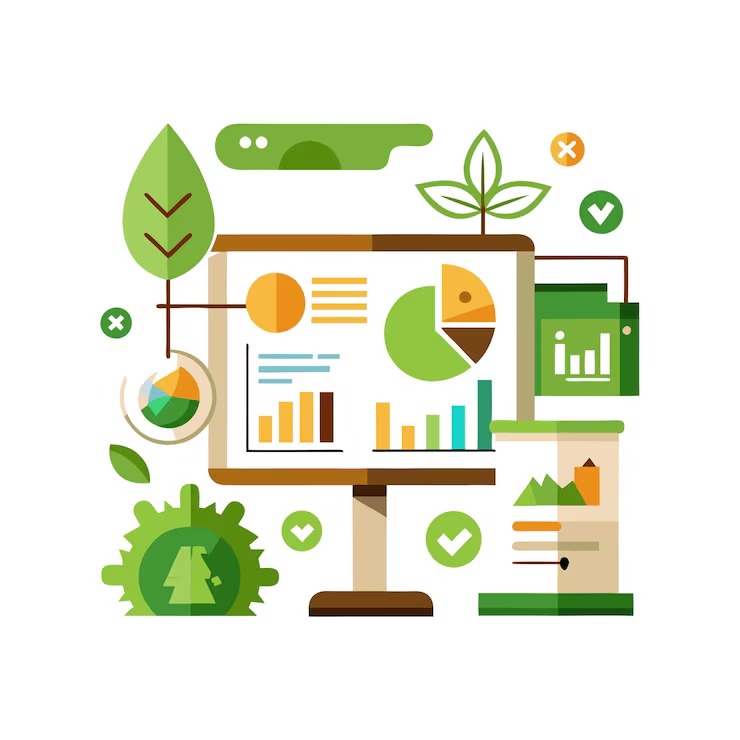
In today’s rapidly evolving business landscape, environmental, social, and governance (ESG) considerations have become more than just buzzwords—they are critical metrics that shape a company’s long-term sustainability and reputation. Stakeholders, investors, and regulators increasingly demand transparency and accountability in corporate operations, making ESG reporting a necessity rather than an option. At the heart of this transformation lies the ESG reporting platform, a powerful tool that enables organizations to systematically track, manage, and disclose their ESG performance.
What is an ESG Reporting Platform?
An ESG reporting platform is a digital solution designed to help businesses collect, analyze, and report data related to their environmental, social, and governance initiatives. Unlike traditional reporting methods, which are often manual, fragmented, and prone to errors, an ESG reporting platform provides a centralized system that ensures data accuracy, compliance, and consistency.
The platform allows companies to measure a variety of ESG metrics, including carbon emissions, energy consumption, water usage, workforce diversity, labor practices, board composition, and ethical governance practices. By consolidating this information, businesses can not only meet regulatory requirements but also demonstrate a commitment to sustainability and responsible corporate behavior.
Key Features of an ESG Reporting Platform
A robust ESG reporting platform comes equipped with several features that make ESG management efficient and effective:
- Data Integration and Automation: Modern ESG platforms can integrate with multiple internal and external data sources, including ERP systems, financial databases, and environmental monitoring tools. Automation reduces the risk of human error and ensures that data is updated in real time.
- Standardized Reporting: ESG reporting platforms adhere to global standards and frameworks, such as GRI (Global Reporting Initiative), SASB (Sustainability Accounting Standards Board), and TCFD (Task Force on Climate-Related Financial Disclosures). This standardization simplifies reporting for stakeholders and ensures compliance with international guidelines.
- Analytics and Insights: Advanced analytics enable businesses to identify trends, assess risks, and uncover opportunities for improvement. Predictive modeling and AI-driven insights can help organizations forecast ESG performance and make strategic decisions.
- Customizable Dashboards: User-friendly dashboards allow companies to visualize ESG data in a clear and actionable manner. Stakeholders can access key metrics at a glance, enhancing transparency and accountability.
- Regulatory Compliance: With evolving ESG regulations across the globe, companies need to stay compliant with reporting requirements. ESG platforms provide tools for regulatory tracking, ensuring that reports meet local and international standards.
Importance of ESG Reporting
The importance of ESG reporting cannot be overstated. Companies that prioritize ESG practices enjoy numerous benefits:
- Investor Confidence: Investors are increasingly factoring ESG performance into their decision-making process. Transparent reporting can attract sustainable investment funds and enhance shareholder trust.
- Risk Mitigation: By tracking ESG risks, such as climate-related hazards or labor disputes, companies can proactively address potential issues before they escalate.
- Reputation Management: Public perception is heavily influenced by ESG performance. Companies that demonstrate responsibility and sustainability enhance brand value and customer loyalty.
- Operational Efficiency: ESG reporting highlights inefficiencies in resource use, waste management, and energy consumption, enabling companies to implement cost-saving measures.
- Regulatory Readiness: As governments worldwide enforce stricter ESG disclosure requirements, having a reliable reporting platform ensures compliance and avoids penalties.
How an ESG Reporting Platform Works
The process of ESG reporting using a digital platform typically involves several key steps:
- Data Collection: Data is gathered from various departments, sensors, and software systems. This can include energy usage, emissions data, social impact initiatives, and corporate governance metrics.
- Data Validation: Platforms often include validation mechanisms to ensure data accuracy, consistency, and completeness.
- Data Analysis: Collected data is analyzed using predefined metrics and frameworks. AI and machine learning capabilities can identify patterns and suggest actionable strategies.
- Report Generation: Platforms can automatically generate reports in compliance with international ESG standards. Reports can be customized for different stakeholders, including investors, regulatory authorities, and customers.
- Continuous Monitoring: ESG reporting is not a one-time task. Platforms provide continuous monitoring and tracking, enabling organizations to update reports periodically and measure improvements over time.
Choosing the Right ESG Reporting Platform
Selecting the right ESG reporting platform is crucial for achieving meaningful and actionable insights. Here are some factors to consider:
- Scalability: The platform should be able to grow with the organization, accommodating increasing data volume and complexity.
- Integration Capabilities: Seamless integration with existing systems ensures smooth data flow and reduces manual workload.
- User Experience: Intuitive interfaces and customizable dashboards enhance usability for employees across departments.
- Compliance Support: Ensure the platform supports relevant ESG reporting standards and regulatory requirements.
- Analytical Capabilities: Advanced analytics, predictive modeling, and benchmarking features provide strategic insights.
The Future of ESG Reporting Platforms
As ESG considerations continue to shape corporate strategy, ESG reporting platforms are evolving to meet the growing demand for transparency and sustainability. Emerging trends include:
- AI-Powered ESG Reporting: Artificial intelligence enables more accurate data analysis, trend identification, and predictive insights.
- Blockchain for Data Integrity: Blockchain technology ensures the integrity and traceability of ESG data, enhancing stakeholder trust.
- Integration with Financial Reporting: ESG reporting is increasingly being integrated with financial performance metrics to provide a holistic view of company health.
- Real-Time ESG Monitoring: Sensors and IoT devices allow companies to monitor environmental metrics in real time, improving responsiveness and decision-making.
Conclusion
An ESG reporting platform is no longer a luxury—it is a necessity for businesses that want to thrive in a world where sustainability and accountability are paramount. By providing a centralized, standardized, and automated solution for ESG data management, these platforms empower organizations to make informed decisions, enhance transparency, and demonstrate their commitment to sustainable business practices.
As regulatory requirements tighten and stakeholder expectations rise, adopting a robust ESG reporting platform can be a strategic differentiator, driving not only compliance but also long-term growth, resilience, and positive social impact. For companies committed to sustainability, this platform is not just a tool—it is a roadmap to a responsible and future-ready business model. Read More: Shared Insights as a Guest Speaker on “Navigating GRI Standards in India: Practical Insights for Businesses” Webinar



Leave a comment