
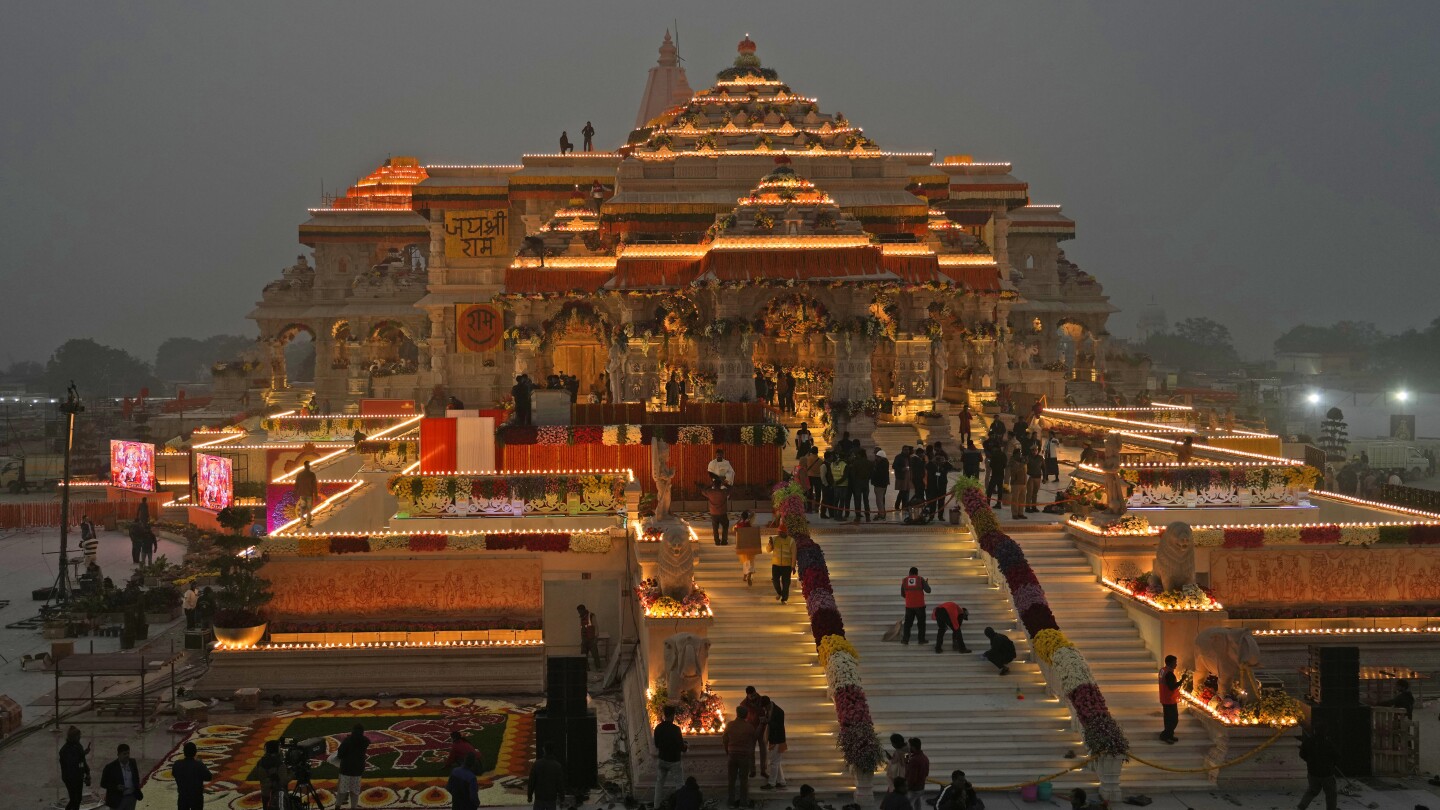
Ayodhya, located in Uttar Pradesh, is one of the most sacred cities in India. Ayodhya visiting places range from grand temples and sacred ghats to Mughal-era monuments and vibrant festivals. This guide explores Ayodhya’s top attractions, their significance, and what makes them special. Revered as the birthplace of Lord Rama, it is a destination where spirituality, history, and culture converge.
🌄 Ram Janmabhoomi Temple
- Significance: Believed to be the exact birthplace of Lord Rama.
- Highlights: The newly constructed Ram Mandir is a magnificent temple showcasing traditional architecture.
- Experience: Devotees gather for darshan of Shri Ram Lalla, and the temple complex is beautifully lit during festivals.
🛕 Hanuman Garhi
- Location: Situated in the heart of Ayodhya.
- Significance: Dedicated to Lord Hanuman, protector of Ayodhya.
- Highlights: A fort-like temple with a 76-step climb. Inside, a shrine of Hanuman with his mother Anjani is worshipped.
- Experience: Evening aarti here is a powerful spiritual moment.
🏞️ Kanak Bhawan
- Significance: A temple gifted to Sita by Queen Kaikeyi after her marriage to Rama.
- Highlights: Idols of Rama and Sita adorned with gold ornaments.
- Experience: Known as the “House of Gold,” it is one of the most beautiful temples in Ayodhya.
🌸 Nageshwarnath Temple
- Significance: Built by Kush, son of Lord Rama.
- Highlights: Dedicated to Lord Shiva, it is one of the oldest temples in Ayodhya.
- Experience: The temple is especially vibrant during Shivratri.
🏰 Dashrath Bhavan
- Significance: Believed to be the royal residence of King Dashrath, father of Lord Rama.
- Highlights: Colorful paintings and idols depicting Ramayana scenes.
- Experience: A must-visit for those interested in Ayodhya’s royal heritage.
🌊 Ram Ki Paidi
- Significance: A series of ghats along the Sarayu River.
- Highlights: Pilgrims take holy dips here.
- Experience: Evening aarti on the ghats is mesmerizing, with lamps floating on the river.
🛕 Sita Ki Rasoi
- Significance: Believed to be the kitchen of Goddess Sita.
- Highlights: Houses idols of Ram, Sita, Lakshman, Bharat, and Shatrughna.
- Experience: Offers a glimpse into domestic life in Ramayana times.
🌹 Gulab Bari
- Significance: A Mughal-era garden and tomb of Nawab Shuja-ud-Daula.
- Highlights: Beautiful rose gardens and Mughal architecture.
- Experience: A peaceful retreat showcasing Ayodhya’s cultural diversity.
🕌 Other Notable Attractions
- Raj Dwar Mandir: A temple with intricate carvings.
- Imambada: Reflects the Nawabi heritage of Ayodhya.
- Ayodhya Deepotsav: Annual festival where millions of lamps illuminate the city.
📍 Table: Key Ayodhya Visiting Places
| Place | Significance | Best Experience |
| Ram Janmabhoomi | Birthplace of Lord Rama | Darshan of Shri Ram Lalla |
| Hanuman Garhi | Shrine of Lord Hanuman | Evening aarti |
| Kanak Bhawan | Gift to Sita from Kaikeyi | Golden idols of Rama & Sita |
| Nageshwarnath | Built by Kush, son of Rama | Shivratri celebrations |
| Dashrath Bhavan | Royal residence of King Dashrath | Ramayana depictions |
| Ram Ki Paidi | Ghats on Sarayu River | Evening aarti with lamps |
| Sita Ki Rasoi | Kitchen of Goddess Sita | Domestic idols of Ram family |
| Gulab Bari | Tomb & garden of Nawab Shuja-ud-Daula | Mughal architecture & roses |
Sources:
🌟 Best Time to Visit Ayodhya
- October–March: Pleasant weather, ideal for sightseeing.
- Festivals: Deepotsav (Diwali) and Ram Navami are the most vibrant times.
✨ Travel Tips
- Dress modestly at temples.
- Attend evening aarti at Sarayu ghats.
- Explore both Hindu and Mughal heritage sites.
- Book accommodations early during festivals.
📝 Conclusion
Ayodhya is more than just a city; it is a living embodiment of India’s spiritual and cultural heritage. Ayodhya visiting places like Ram Janmabhoomi, Hanuman Garhi, Kanak Bhawan, and Gulab Bari offer a mix of devotion, history, and beauty. Whether you are a pilgrim seeking blessings, a traveler exploring heritage, or a tourist enjoying festivals, Ayodhya promises unforgettable experiences.
Leave a comment