
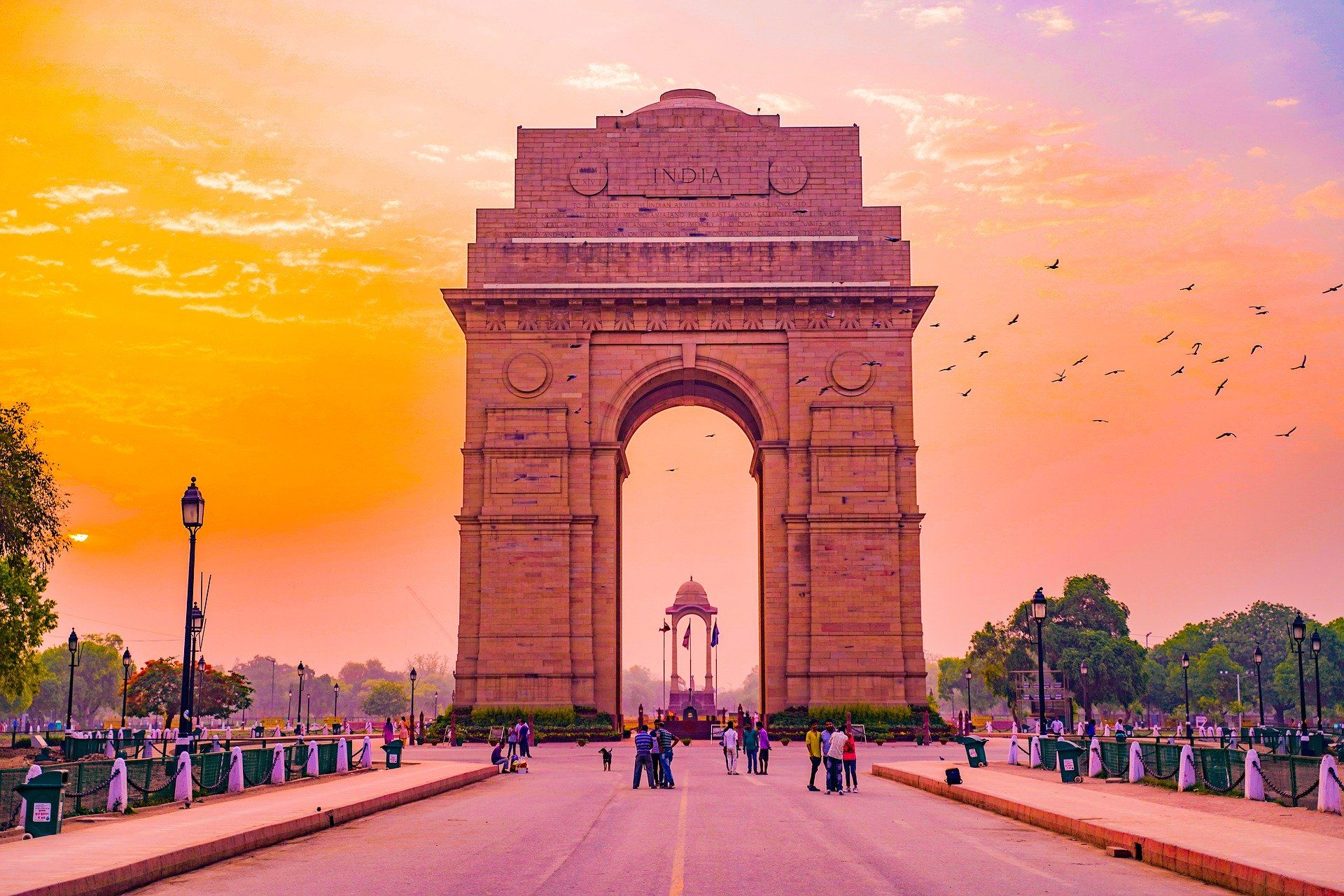
India, often described as the land of diversity, is a country where ancient traditions coexist with modern innovations. India Tourism is not just about sightseeing—it’s about immersing yourself in a culture that is thousands of years old, yet constantly evolving. From the snow‑capped Himalayas in the north to the sun‑kissed beaches of the south, from bustling metropolitan cities to tranquil villages, India offers travelers a kaleidoscope of experiences.
This guide explores the richness of India’s tourism, highlighting destinations, cultural experiences, adventure opportunities, and practical travel tips.
Why Choose India for Tourism?
- Cultural Diversity: Over 2,000 ethnic groups, 22 official languages, and countless traditions.
- Historical Heritage: Ancient temples, Mughal forts, colonial architecture, and UNESCO World Heritage Sites.
- Natural Beauty: Himalayas, deserts, beaches, forests, and rivers.
- Spiritual Depth: Birthplace of Hinduism, Buddhism, Jainism, and Sikhism.
- Modern Attractions: Vibrant cities, luxury resorts, and world‑class shopping.
Top Tourist Regions in India
1. North India
- Destinations: Delhi, Agra, Jaipur, Varanasi, Amritsar.
- Highlights: Taj Mahal, Golden Temple, Red Fort, Ganges ghats.
- Experience: Blend of Mughal heritage, spiritual journeys, and vibrant bazaars.
2. South India
- Destinations: Kerala, Tamil Nadu, Karnataka, Andhra Pradesh.
- Highlights: Backwaters of Kerala, temples of Madurai, Mysore Palace.
- Experience: Ayurveda, classical dance, tropical beaches, and temple architecture.
3. East India
- Destinations: Kolkata, Odisha, Assam, Sikkim.
- Highlights: Sun Temple at Konark, tea gardens of Darjeeling, Kaziranga National Park.
- Experience: Colonial heritage, wildlife safaris, and cultural festivals.
4. West India
- Destinations: Rajasthan, Gujarat, Maharashtra, Goa.
- Highlights: Desert forts, Gir National Park, Ajanta‑Ellora caves, Goa beaches.
- Experience: Royal palaces, wildlife, vibrant nightlife, and coastal charm.
5. Central India
- Destinations: Madhya Pradesh, Chhattisgarh.
- Highlights: Khajuraho temples, Kanha and Bandhavgarh National Parks.
- Experience: Tribal culture, tiger safaris, and ancient art.
6. The Himalayas & Northeast
- Destinations: Himachal Pradesh, Uttarakhand, Arunachal Pradesh, Meghalaya.
- Highlights: Shimla, Rishikesh, Tawang Monastery, Living Root Bridges.
- Experience: Trekking, yoga retreats, and untouched natural beauty.
Iconic Attractions in India
- Taj Mahal (Agra): Symbol of love and Mughal architecture.
- Jaipur’s Amber Fort: Rajput grandeur and desert charm.
- Varanasi Ghats: Spiritual heart of India.
- Kerala Backwaters: Houseboat cruises through palm‑lined canals.
- Goa Beaches: Blend of Portuguese heritage and vibrant nightlife.
- Himalayan Treks: Adventure in Ladakh, Himachal, and Uttarakhand.
- Ajanta & Ellora Caves: Ancient rock‑cut art and Buddhist heritage.
- Golden Temple (Amritsar): Spiritual sanctuary of Sikhism.
Cultural Experiences
Festivals
- Diwali: Festival of lights.
- Holi: Festival of colors.
- Durga Puja: Celebrated in West Bengal.
- Pushkar Camel Fair: Rajasthan’s cultural extravaganza.
Cuisine
- North India: Butter chicken, kebabs, parathas.
- South India: Dosa, idli, sambar.
- West India: Dhokla, pav bhaji, seafood.
- East India: Rasgulla, fish curry, momos.
Arts & Crafts
- Handlooms: Banarasi silk, Pashmina shawls.
- Handicrafts: Terracotta, wood carving, jewelry.
- Performing Arts: Kathakali, Bharatanatyam, Bollywood dance.
Adventure Tourism in India
- Trekking: Himalayas, Western Ghats.
- Wildlife Safaris: Ranthambore, Kaziranga, Gir.
- Water Sports: Scuba diving in Andaman, surfing in Goa.
- Desert Adventures: Camel rides in Rajasthan.
- Mountain Biking: Ladakh and Himachal trails.
Spiritual Tourism
- Varanasi: Pilgrimage on the banks of the Ganges.
- Rishikesh & Haridwar: Yoga and meditation retreats.
- Bodh Gaya: Site of Buddha’s enlightenment.
- Amritsar: Golden Temple’s spiritual aura.
- Tirupati & Madurai: Famous Hindu temples.
Modern Tourism
- Metropolitan Cities: Delhi, Mumbai, Bangalore, Hyderabad.
- Luxury Resorts: Kerala, Goa, Rajasthan.
- Shopping: Delhi’s Connaught Place, Mumbai’s Colaba, Bangalore’s malls.
- Entertainment: Bollywood tours, nightlife in Goa and Mumbai.
Sample 10‑Day India Tourism Itinerary
Day 1 – Delhi: Explore Red Fort, Qutub Minar, India Gate.
Day 2 – Agra: Visit Taj Mahal and Agra Fort.
Day 3 – Jaipur: Amber Fort, City Palace, local bazaars.
Day 4 – Varanasi: Ganga aarti, boat ride on the river.
Day 5 – Amritsar: Golden Temple and Wagah Border ceremony.
Day 6 – Shimla: Hill station charm and colonial heritage.
Day 7 – Rishikesh: Yoga retreat and river rafting.
Day 8 – Kerala: Backwater cruise and Ayurvedic spa.
Day 9 – Goa: Beaches, nightlife, and Portuguese heritage.
Day 10 – Mumbai: Gateway of India, Bollywood tour, shopping.
Best Time to Visit India
- Winter (October–March): Pleasant weather, ideal for sightseeing.
- Summer (April–June): Hill stations offer cool retreats.
- Monsoon (July–September): Lush greenery, perfect for Ayurveda and eco‑tourism.
Travel Tips
- Visa Requirements: Check e‑Visa options for international travelers.
- Transport: Domestic flights, trains, and road networks are extensive.
- Health Precautions: Carry medicines, stay hydrated, and use mosquito repellents.
- Cultural Etiquette: Dress modestly at religious sites, respect local customs.
- Eco‑Friendly Travel: Avoid plastic, support local artisans, and choose sustainable stays.
SEO‑Friendly Highlights
- Focus keyword India Tourism is naturally integrated throughout.
- Modular sections allow easy adaptation for blogs, brochures, and landing pages.
- Clear headings improve readability and search engine discoverability.
Conclusion
India Tourism is a journey through time, culture, and nature. From the architectural marvel of the Taj Mahal to the spiritual serenity of Varanasi, from the tropical backwaters of Kerala to the deserts of Rajasthan, India offers experiences that linger long after the journey ends.
By choosing the right itinerary, travelers can immerse themselves in India’s natural beauty, cultural richness, and spiritual depth. Truly, India is not just a destination—it’s an emotion, waiting to be lived.




Leave a comment