
The rise in cyberattacks, data breaches, cloud threats, and ransomware has pushed organizations to strengthen their security posture faster than ever. As a result, cybersecurity bootcamps have emerged as one of the most effective ways to build job-ready cybersecurity skills in a short, structured timeframe.
A cybersecurity certification bootcamp gives learners the technical knowledge, hands-on experience, and industry-recognized training needed to enter the security field confidently.
These programs combine real labs, threat simulations, guided sessions, and exam-focused content, making them ideal for both beginners and professionals transitioning into cybersecurity.
What a Cybersecurity Certification Bootcamp Actually Teaches?
Most bootcamps are designed around practical job skills rather than only theory. They cover essential security foundations and guide learners through real-world tools used by security teams.
A typical bootcamp includes topics such as:
- Network security fundamentals
- Cyber defense tools
- Identity and access management
- Vulnerability scanning
- Security monitoring
- SIEM operations
- Cloud security basics
- Threat detection and analysis
- Incident response workflows
The goal is to prepare learners for entry-level and mid-level roles by teaching how to identify, prevent, and respond to threats.
Bootcamps Designed Around Industry Certifications
One of the biggest advantages of cybersecurity bootcamps is that many are built around popular industry certifications.
These may include:
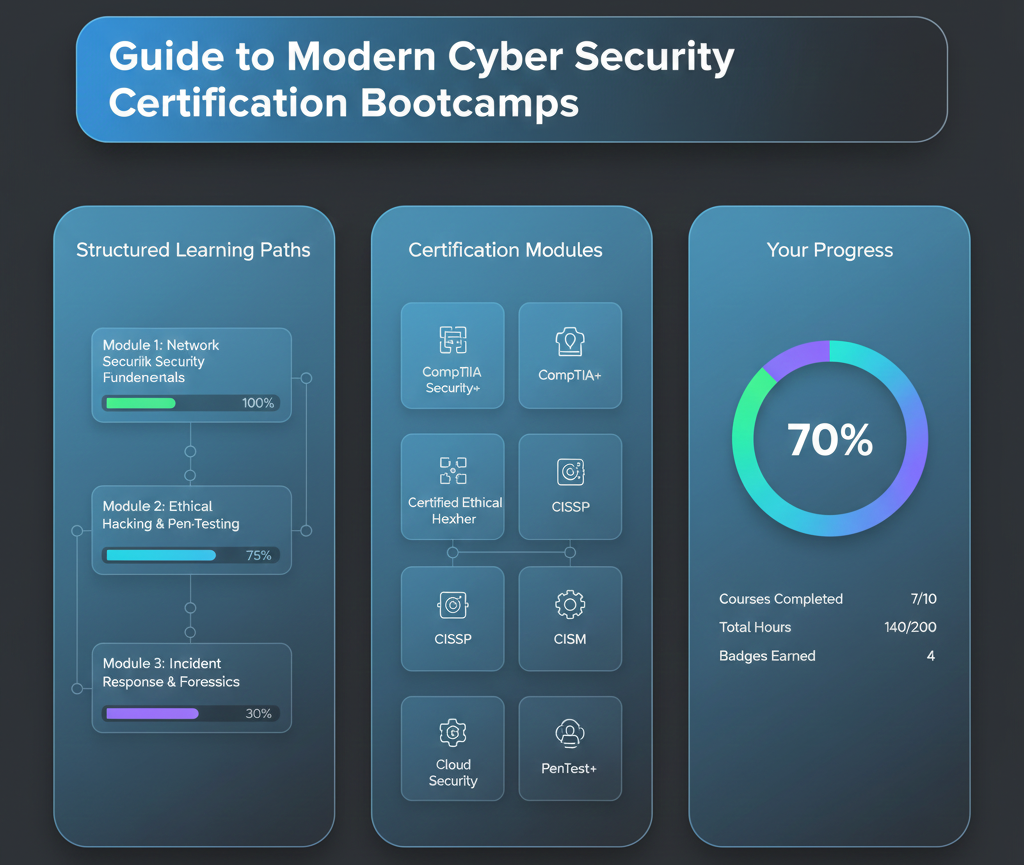
- CompTIA Security+
- CySA+
- CEH (Certified Ethical Hacker)
- CC (ISC2 Certified Cybersecurity)
- CompTIA PenTest+
- CISM or CISSP fundamentals
- Cloud security foundations
Programs align their curriculum with exam objectives, providing learners with structured guidance and relevant practice.
Many students continue their preparation using exam-oriented platforms like Cert Empire to reinforce concepts with real-style questions and strengthen their test readiness.
Hands-On Labs and Real Threat Simulations
Cybersecurity cannot be learned through theory alone. Bootcamps emphasize hands-on learning through labs that simulate modern attacks, misconfigurations, and defensive strategies.
These labs help learners practice:
- Firewall configurations
- Log analysis
- Malware detection
- Reconnaissance and ethical hacking techniques
- SIEM event triage
- Traffic inspection
- Cloud security policies
- Endpoint protection methods
Hands-on exercises ensure students understand not just what to do but how to do it.
Fast-Track Training for High-Demand Security Jobs
Cybersecurity bootcamps are considered fast-track programs because they condense months of learning into an efficient, accelerated format. Instead of spending years studying, learners get an intensive experience designed to build workplace-ready skills.
Bootcamps often prepare learners for roles such as:
- Security analyst
- SOC analyst
- Threat detection specialist
- Junior penetration tester
- Network security technician
- Cybersecurity support engineer
Because demand for security workers continues to rise, many graduates find entry-level positions quickly after earning certifications.
Why Companies Value Cybersecurity Bootcamp Graduates
Businesses hire bootcamp graduates because these learners are trained in practical, real-world tools. They understand logs, alerts, vulnerabilities, and security workflows rather than relying purely on theory.
Bootcamp graduates often bring:
- A strong understanding of modern attack methods
- Familiarity with SIEM tools and scanning solutions
- Ability to monitor and respond to incidents
- Awareness of compliance frameworks
- Early experience with cloud security concepts
This makes them valuable contributors on security teams that need immediate hands-on capability.
The Role of Cloud Security in Bootcamps
Nearly all cybersecurity bootcamps now include cloud topics, as organizations rapidly migrate to AWS, Azure, and Google Cloud.
Cloud security foundations taught in bootcamps typically include:
- Multi-cloud identity management
- Virtual network security
- Cloud workload protection
- Shared responsibility models
- Security groups and firewalls
- Cloud logging and monitoring
Understanding cloud security is increasingly critical for modern cybersecurity roles.
How Bootcamps Support Career Changers
A cybersecurity certification bootcamp is especially helpful for individuals transitioning from IT support, networking, customer service, software testing, or even non-IT fields.
Most programs require no previous experience and begin with fundamentals before progressing to advanced topics.
Career changers benefit from:
- Structured learning
- Mentor guidance
- Job placement support
- Resume preparation
- Certification-focused training
This structured path reduces learning complexity and makes cybersecurity careers more accessible.
Challenges Learners Should Expect
While bootcamps are highly effective, they are also intensive. Students must be prepared for:
- Fast learning pace
- Consistent lab work
- Complex security concepts
- Time commitments for practice
- Occasional frustration during troubleshooting
However, these challenges reflect real cybersecurity environments and help learners build resilience.
We posted a short update on X/Twitter about this, and you can read it here.
Parting Thoughts
A cybersecurity certification bootcamp is one of the most efficient and practical ways to enter the cybersecurity workforce. It offers guided instruction, hands-on labs, exam-focused training, and the knowledge required to handle real security challenges. Whether you’re a beginner or transitioning from another field, a bootcamp provides the foundation you need for a stable, high-demand career in cybersecurity. With structured learning and supplemental exam preparation resources from providers like Cert Empire, learners can confidently pursue popular certifications and step into meaningful security roles.



Leave a comment