
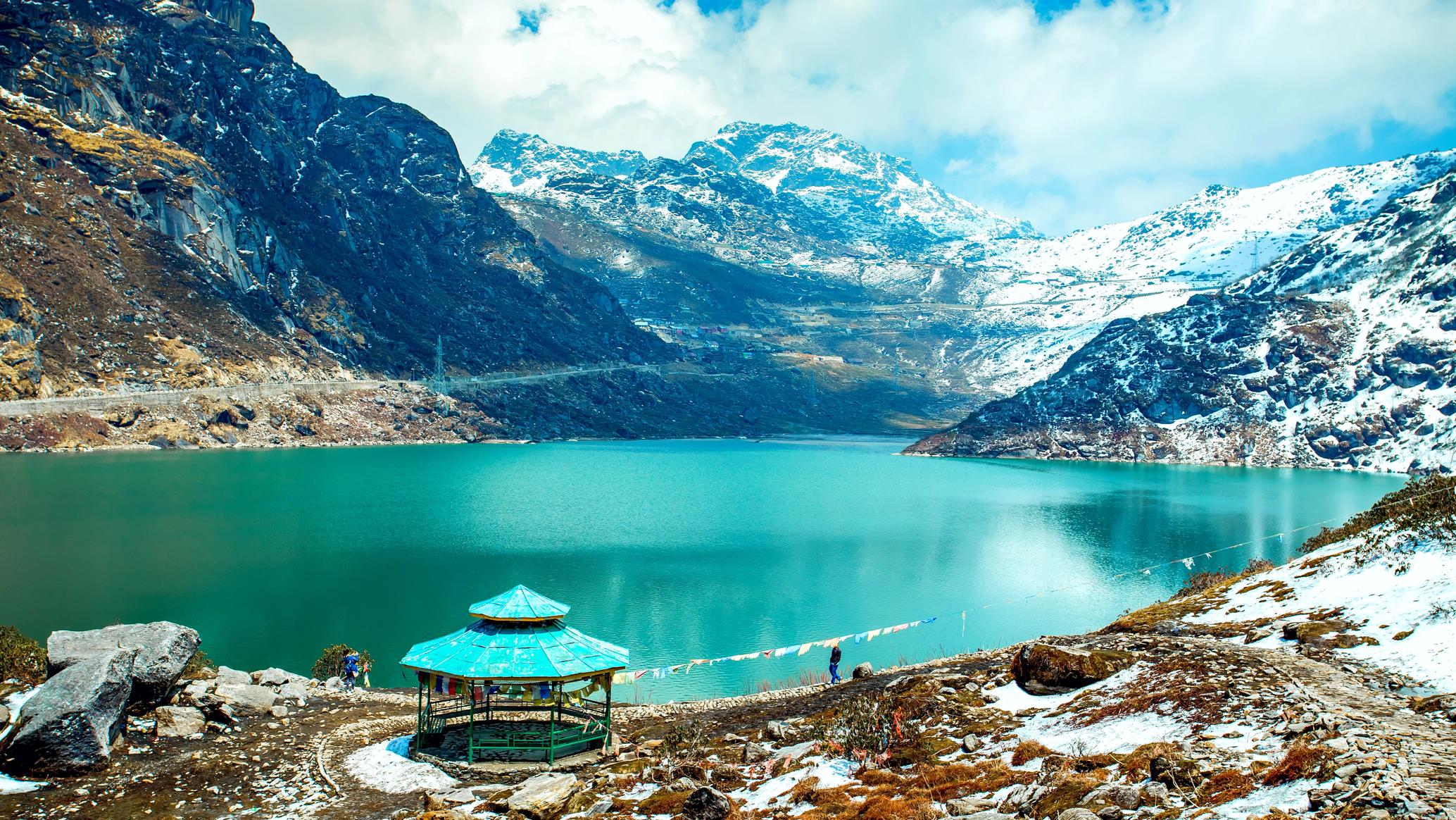
Sikkim, India’s second smallest state, is a Himalayan paradise blessed with snow-clad peaks, alpine meadows, and lush forests. Exploring the popular national parks in Sikkim is a journey into pristine landscapes, rare flora, and exotic fauna. Despite its size, Sikkim is one of the most ecologically diverse regions in the country. The state has established several national parks to protect its rich biodiversity.
🌍 Why Sikkim’s National Parks Are Special
- Biodiversity Hotspot: Sikkim lies within the Eastern Himalaya global biodiversity hotspot.
- Rare Species: Home to red pandas, snow leopards, Himalayan black bears, and over 550 bird species.
- Floral Wealth: Rhododendrons, orchids, and medicinal plants thrive here.
- Cultural Harmony: Parks often house sacred lakes and monasteries, blending nature with spirituality.
🏞️ Popular National Parks in Sikkim
1. Khangchendzonga National Park
- UNESCO World Heritage Site.
- Spread across 849 sq km, named after Mount Khangchendzonga.
- Fauna: snow leopard, red panda, musk deer, Himalayan tahr.
- Activities: trekking, birdwatching, and cultural exploration.
- Famous treks: Goecha La Trek, Dzongri Trek.
2. Singalila National Park (partly in Sikkim)
- Shared between West Bengal and Sikkim.
- Famous for panoramic views of Kanchenjunga and Everest.
- Fauna: red panda, leopard cat, Himalayan black bear.
- Popular for trekking routes like Sandakphu and Phalut.
3. Pangolakha Wildlife Sanctuary (often considered alongside national parks)
- Located in East Sikkim, bordering Bhutan and Tibet.
- Famous for its diverse birdlife and high-altitude landscapes.
- Fauna: red panda, barking deer, Himalayan monal.
- Ideal for birdwatchers and adventure seekers.
4. Khangchendzonga Biosphere Reserve (integrated with the national park)
- Recognized by UNESCO as a biosphere reserve.
- Protects alpine ecosystems, glaciers, and sacred lakes.
- Rich in medicinal plants and orchids.
🌱 Flora and Fauna Highlights
- Mammals: Red panda, snow leopard, Himalayan black bear, musk deer.
- Birds: Himalayan monal, blood pheasant, satyr tragopan, and over 550 species.
- Plants: Rhododendrons, orchids, bamboo, medicinal herbs.
🧭 Best Time to Visit
- Spring (March–May): Rhododendrons and orchids in full bloom.
- Summer (June–August): Pleasant weather, lush greenery.
- Autumn (September–November): Clear skies, ideal for trekking.
- Winter (December–February): Snowfall in high-altitude parks.
🛠️ Activities in Sikkim’s National Parks
- Trekking and camping.
- Birdwatching and wildlife photography.
- Exploring sacred lakes and monasteries.
- Eco-tourism and homestays.
- Learning about medicinal plants and local traditions.
🌐 Challenges in Conservation
- Climate Change: Affecting alpine ecosystems.
- Human-Wildlife Conflict: Encounters with leopards and bears.
- Tourism Pressure: Need for sustainable practices.
- Habitat Loss: Expansion of roads and settlements.
📈 Economic & Cultural Impact
- Tourism supports local communities through homestays and handicrafts.
- National parks preserve cultural heritage linked to sacred landscapes.
- Revenue from eco-tourism aids conservation efforts.
🔮 Future of National Parks in Sikkim
- Eco-Tourism: Focus on sustainability.
- Digital Promotion: Online booking and virtual tours.
- Community Participation: Local involvement in conservation.
- Adventure Tourism: Expansion of trekking and birdwatching circuits.
✨ Sample Itinerary: 7-Day National Park Tour in Sikkim
Day 1: Arrival in Gangtok, visit Pangolakha Sanctuary.
Day 2: Excursion to Tsomgo Lake and nearby alpine zones.
Day 3: Drive to Yuksom, base for Khangchendzonga treks.
Day 4: Trek to Dzongri, explore Khangchendzonga National Park.
Day 5: Visit sacred lakes and monasteries within the biosphere reserve.
Day 6: Travel to Pelling, enjoy views of Kanchenjunga.
Day 7: Departure from Gangtok.
✨ Conclusion
Exploring the popular national parks in Sikkim is a journey into one of India’s richest biodiversity zones. From the grandeur of Khangchendzonga National Park to the panoramic beauty of Singalila, each park offers unique experiences for nature lovers.
A trip to Sikkim is not just about spotting wildlife—it is about immersing yourself in landscapes where culture, spirituality, and ecology coexist. Choosing to visit these national parks ensures unforgettable memories while supporting conservation and local communities.
Leave a comment